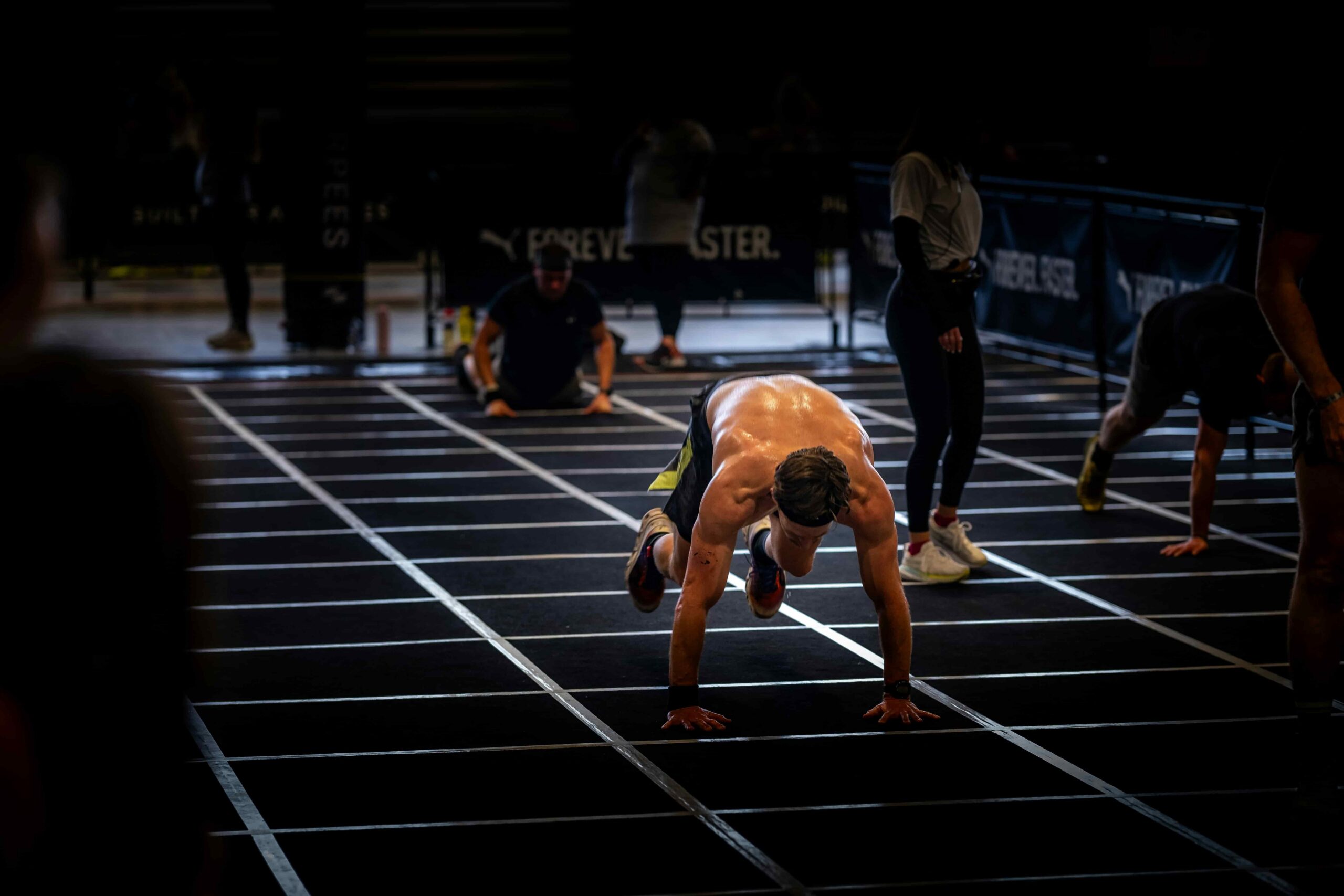
I have spent much of my career watching how people train, compete, and define performance. What is happening with HYROX and CrossFit tells me something important about where fitness is heading. People still want intensity, community, and competition, but they increasingly want a clear destination.
CrossFit changed fitness culture by turning the workout itself into a sport. Its combination of strength, conditioning, skill, and community created a global movement. But that model also came with complexity. For someone new to functional fitness, understanding the movements, terminology, and training methodology can be intimidating.
HYROX has taken a more accessible approach. The format is standardized. Eight one-kilometer runs combined with eight functional stations. The challenge is demanding, but it is easy to understand. You know what you are training for, you know how performance will be measured, and you can compare your result with athletes around the world.
That simplicity is proving powerful. HYROX reported more than 750,000 athletes in 2025, while CrossFit Open participation dropped to 233,815 in 2025 before rebounding to 254,000 in 2026. Those numbers don’t signal the disappearance of CrossFit, but they do show how quickly the competitive fitness landscape is changing.
What interests me most is that HYROX has made endurance and functional strength feel compatible rather than competing disciplines. It sits comfortably between traditional endurance racing and strength-focused training, giving athletes a tangible objective without requiring them to adopt an entirely new fitness identity.
I also don’t see this as a simple case of one replacing the other. CrossFit remains an influential training methodology, and many of its movements and principles translate naturally into HYROX preparation. It is simply a cultural change.